
An international kennel federation is more than an organizer of dog shows. At its best, it is a structured kennel federation that connects national kennel clubs, breed communities, judges, veterinarians, trainers, and responsible breeders under a shared code of ethics. The goal is to protect canine welfare while preserving breeds through consistent dog breed standards, reliable kennel registration, and practical breeder education. While many people associate a federation with ribbons and trophies, much of the daily work centers on breeding records, health recommendations, puppy socialization guidance, and long-term stewardship that supports ethical dog breeding.
Ethical breeding guidance that prioritizes welfare
Ethical dog breeding guidance is the foundation of credible kennel federation work. A federation cannot guarantee that every breeder acts responsibly, but it can set enforceable expectations, publish breeder guides, and require compliance through kennel registration rules and oversight. Core guidance typically addresses mating age, frequency of litters, living conditions, puppy socialization, and the breeder’s obligation to support puppies throughout their lives. Many federations also promote dog health screening and canine health prevention programs, encouraging transparent reporting to reduce inherited disease risk across generations.
A practical ethical dog breeding approach balances ideal canine welfare outcomes with real-world diversity among dog breed standards, breeds, and regions. Recommendations may differ for large versus toy breeds, and for rare breeds with small gene pools, but the ethical baseline remains consistent across kennel clubs: the dog’s health and quality of life come first, supported by documented breeding records and appropriate dog health screening.
Common elements of a responsible breeding framework
- Minimum age and maximum number of litters for breeding animals, with recovery periods.
- Health testing guidance (breed-specific and general), including transparent disclosure of results.
- Standards for housing, enrichment, and early neurological stimulation and socialization.
- Rules against breeding dogs with disqualifying welfare-related traits or severe hereditary conditions.
- Buyer education and written agreements that include return-to-breeder policies.
Kennel and litter registration: building traceability and trust
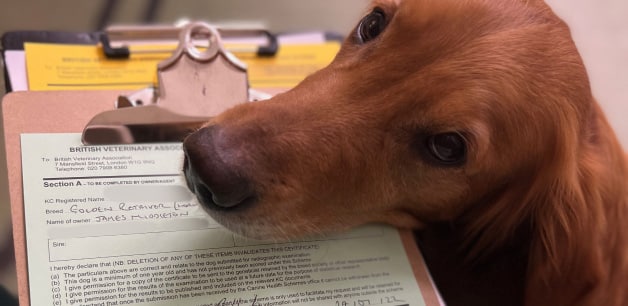
Kennel registration systems are often misunderstood as “papers for prestige.” In reality, a well-run kennel federation registry supports traceability, accountability, and long-term population management that benefits canine welfare. Kennel name registration helps distinguish responsible breeders and encourages continuity of responsibility over time. Litter registration ties puppies to documented parentage and can incorporate dog health screening documentation, microchip identifiers, breeder compliance status, and accurate breeding records.
When kennel registration is paired with meaningful oversight, it becomes a practical consumer protection tool within kennel clubs: prospective owners can verify lineage, confirm that a breeder followed the federation’s code of ethics, and understand the intended purpose of a pairing in line with dog breed standards. Transparent registration reduces fraud and promotes informed ownership, while reinforcing ethical dog breeding expectations.
| Registry Component | What It Records | Why It Matters |
|---|---|---|
| Kennel Name | Breeder identity and affiliation | Accountability and consistent standards over time |
| Litter Registration | Date of birth, dam/sire, breeder, ownership | Traceability and population tracking |
| Pedigree Certificate | Multi-generation ancestry | Supports responsible planning and reduces misinformation |
| Transfer of Ownership | Updated ownership records | Improves welfare follow-up and accurate records |
Breed standards: preserving type without compromising health
Dog breed standards describe the ideal characteristics of a breed, including structure, movement, coat, temperament, and functional traits. They help judges evaluate dogs consistently in dog shows and help responsible breeders plan toward predictable outcomes. However, modern kennel federation leadership increasingly emphasizes that standards must be interpreted through a canine welfare lens: a dog can meet “type” yet still fail on soundness, breathing, or overall health. The federation’s role is to ensure that the pursuit of type never rewards suffering and that ethical dog breeding aligns with canine health prevention.
Many kennel federations publish breeder education and judge education guidance that clarifies how to penalize exaggerated features and how to prioritize soundness, breathing, skin health, and stable temperament in the ring. Soundness is not optional; it is a standard in practice, reinforced through dog health screening expectations and responsible selection for breeding.
How standards connect to real-world decisions
Dog breed standards influence which dogs are selected for breeding and which traits become widespread, which is why breeder education and judge training are central to a kennel federation’s mission. To keep ethical dog breeding aligned with canine welfare, a federation may support:
- Judge training modules that emphasize functional anatomy and movement.
- Breed seminars led by specialists who can explain historical purpose and modern welfare concerns.
- Periodic review processes where standards are clarified to discourage harmful exaggerations.
Education resources for breeders, judges, and owners
A kennel federation’s educational role is often its most impactful long-term contribution. Breeder education builds a shared vocabulary across kennel clubs and aligns priorities around ethical dog breeding, dog breed standards, and canine welfare. Effective breeder guides cover genetics, reproductive management, neonatal care, canine health prevention, puppy socialization, and ethical placement practices, including the use of breeding records and dog health screening results. For judges and stewards, education focuses on consistent ring procedure, impartiality, and recognizing welfare concerns in dogs presented at dog shows.
Education also supports everyday owners who rely on kennel club guidance after kennel registration and puppy placement. Practical resources on dog training basics, grooming for shows (or home care), nutrition, and enrichment help reduce relinquishment and improve canine welfare outcomes. Better education creates better matches between dogs and homes, strengthening responsible ownership and supporting the federation’s broader ethical breeding goals.
| Audience | Typical Learning Topics | Practical Outcome |
|---|---|---|
| Breeders | Genetics, health screening, whelping, puppy development | Healthier litters and clearer accountability |
| Judges | Breed type, anatomy, movement, welfare indicators | More consistent and welfare-focused evaluations |
| Owners | Training basics, socialization, grooming, responsible ownership | Improved behavior, wellbeing, and retention in homes |
| Event Staff | Rules, safety, ring procedure, emergency protocols | Smoother events and reduced risk |
Dog show events: competition with safeguards
Dog shows and related events provide a structured way for a kennel federation to evaluate breeding stock, showcase breeds under dog breed standards, and build community among kennel clubs and responsible breeders. Conformation shows are only one part of the landscape; many federations also recognize working trials, obedience, agility, scent work, and other disciplines that complement ethical dog breeding decisions. When well-managed, events can highlight stable temperaments, physical fitness, and breed-typical abilities that matter for canine welfare and long-term health.
Responsible federations design dog show rules to protect dogs, including heat management, veterinary access, safe surfaces, limits on harsh handling, and procedures for removing distressed animals from competition. Judges are expected to reward confident, healthy dogs and to penalize visible discomfort or compromised function, while exhibitors follow show handling standards and appropriate grooming for shows. A title should reflect quality, not endurance of poor welfare, and should support ethical dog breeding rather than undermine it.
What to look for in well-regulated events
Clear codes of conduct for exhibitors, handlers, and officials that align with the federation’s code of ethics and canine welfare rules.
Consistent judging criteria tied to dog breed standards, with transparent complaint procedures managed through kennel club governance.
Veterinary oversight and emergency response plans on-site to support canine welfare during dog shows.
Rules that discourage extreme grooming for shows and handling practices that harm skin, coat, breathing, or movement.
Qualification pathways that include kennel registration, identification checks, and—where appropriate—dog health screening verification.
Choosing and using federation resources wisely
Whether you are a new owner searching for a responsibly bred puppy, a breeder seeking mentorship, or a judge developing expertise, kennel federation resources are most valuable when used as a system rather than a label. Read the code of ethics, review breeder guides, ask how kennel registration compliance is monitored, and learn how dog health screening recommendations and canine health prevention policies are updated. A credible kennel federation will welcome questions, publish dog breed standards and procedures clearly, and support continuous improvement through breeder education and transparent breeding records.
International cooperation matters because dogs, breeding records, and genetics cross borders, and consistent kennel registration helps maintain integrity across kennel clubs. Shared dog breed standards, mutual recognition, and aligned ethical dog breeding expectations reduce confusion, strengthen record accuracy, and improve canine welfare globally. When ethics, registration, standards, breeder education, and dog shows work together, the result is a community where tradition and modern canine welfare are aligned.