
2026-05-06
How to Prepare Your Dog for a Show
A practical dog show preparation plan covering conditioning, grooming, ring manners, packing lists, travel routines, and calm handler habits.
Read more
International kennel federation
A modern international kennel federation supporting ethical breeders with registration, breed standards, events, and practical canine education.
People have shaped dogs for particular jobs for thousands of years, from guarding flocks to hunting, herding and pulling sleds. What is much younger is the idea of a breed as a written, agreed description that breeders, judges and owners all work from. That idea grew up in the nineteenth century, together with dog shows and the clubs that ran them, and it still underpins what kennel federations do today.
The first organised dog show is usually dated to 1859 in Newcastle upon Tyne, England, where pointers and setters were judged side by side. Shows quickly spread, and with them came the need for shared rules and reliable records. The Kennel Club in Britain was founded in 1873 to keep a stud book and set show regulations. In continental Europe, national clubs later joined forces, and in 1911 several of them founded the Fédération Cynologique Internationale, which today groups recognised breeds into ten groups by type and original function.
A breed standard describes the ideal dog of a breed: its general appearance, size, proportions, head, coat, movement and, importantly, its temperament. It is written so that a judge can compare dogs fairly and so that breeders know what they are aiming for. A good standard also explains the dog's original purpose, because form is supposed to follow function. A herding breed should move efficiently for hours, and a retriever should have a soft mouth and a cooperative nature.
What a standard is not is a licence to exaggerate. Over the decades some breeds drifted towards extremes, such as very short muzzles, heavy wrinkles or excessive coats, that look striking in the ring but can cause real health problems. Responsible clubs now review standards with welfare in mind, and judges are expected to reward sound, healthy dogs over flashy extremes. The breed descriptions on this site are written with that balance in view; you can find them under breed standards.
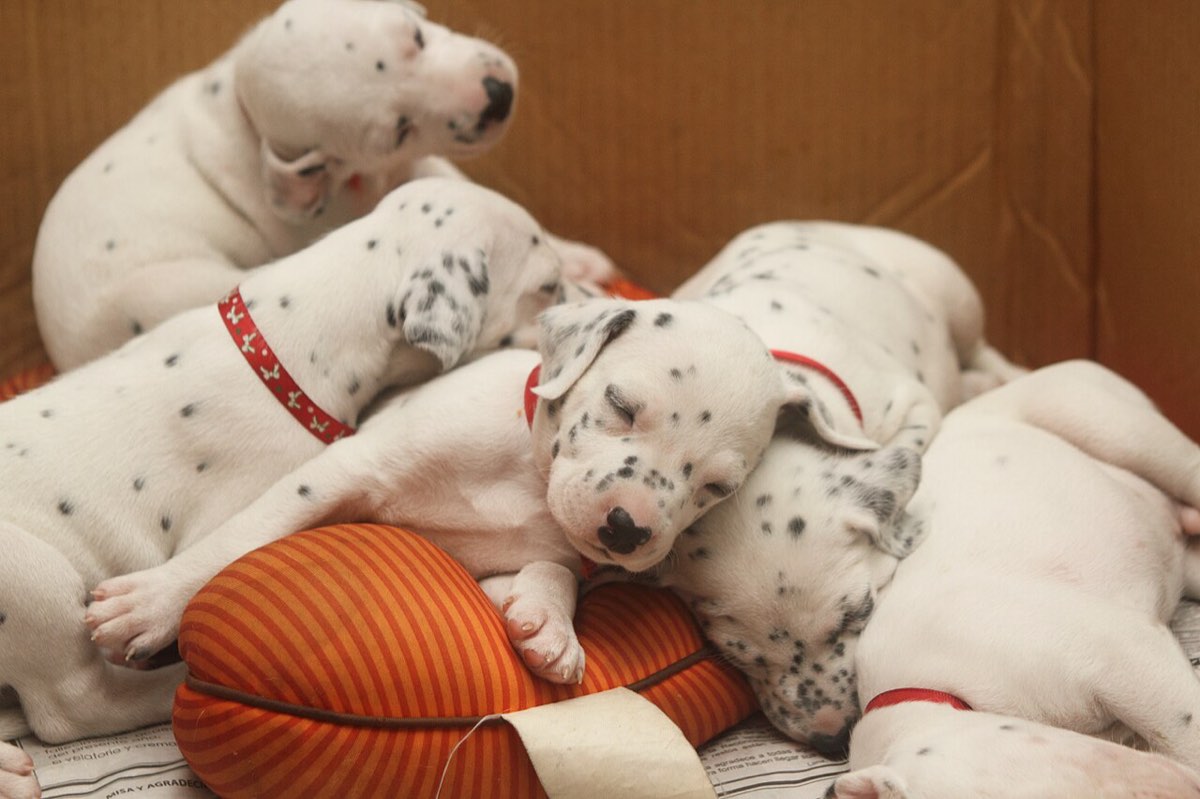
Good breeding does not stop at the mating. Puppies go through a sensitive period for socialisation that starts at around three weeks and runs to roughly twelve to fourteen weeks of age. During this time, calm exposure to people, household sounds, different surfaces and gentle handling helps shape a confident adult dog. A breeder who plans for this stage, and a new owner who continues it carefully at home, give the puppy a far better start than any pedigree alone.
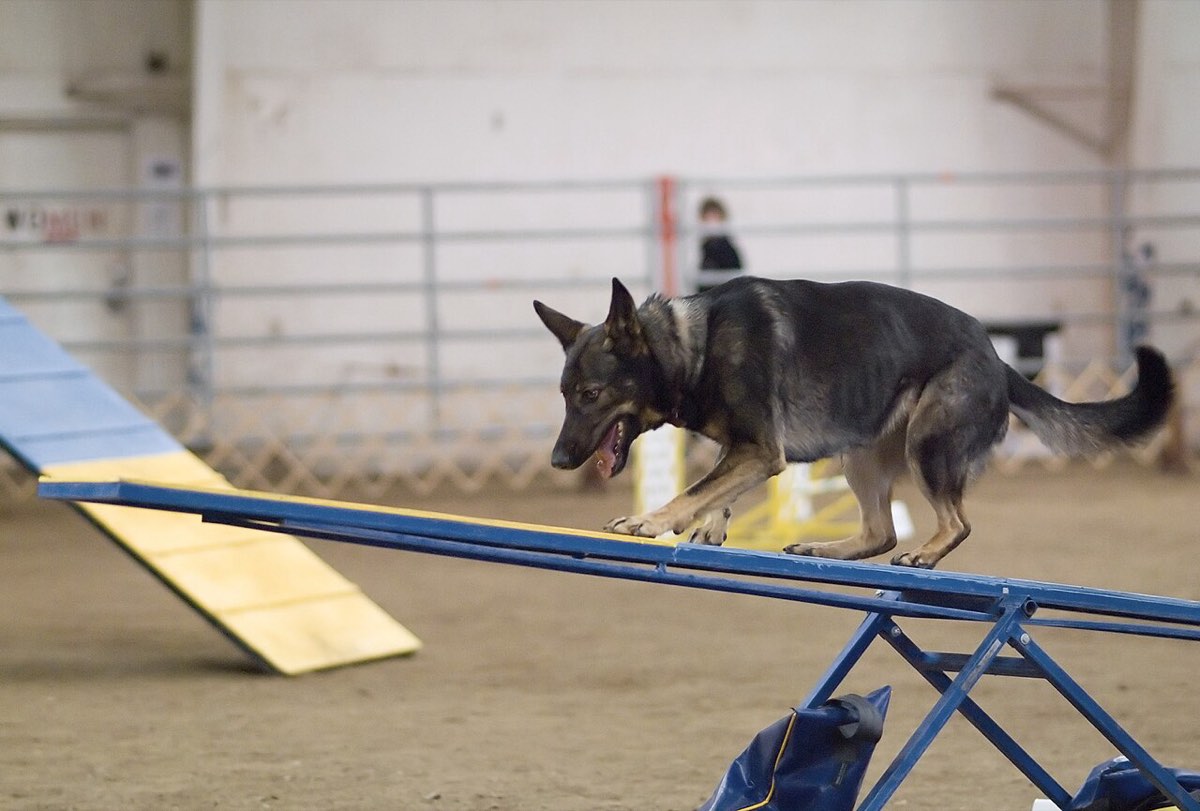
Kennel clubs and federations also support activities where the dog's working ability and partnership with its handler come first. Agility, for example, began as a demonstration at Crufts in 1978 and has since become one of the most popular dog sports in the world. Obedience, tracking, herding trials and scent work give dogs of many breeds, and mixed breeds too, a chance to use their bodies and minds.
Whether you are planning your first litter, preparing for a show or simply trying to choose the right puppy, the same principles apply: health first, temperament always, and honest records that anyone can check.
Upcoming shows and activities are listed in the events calendar, and practical advice on health checks and daily care is collected under health and care.
EKF is a modern, international kennel federation model built around transparent standards, breeder education, and dog welfare. The site removes public personal data, keeps guidance practical, and gives clubs a clean structure for education, registration, events, and resources.
Our work connects responsible kennel registration with breed knowledge, health planning, mentoring, and friendly public education. Breeders can use the framework to prepare records, plan litters carefully, and support puppy buyers long after placement.
Health testing is where planning meets responsibility, and the results should shape every mating decision you make rather than sit in a folder once the paperwork is filed. Screen breeding stock for the conditions that matter in your breed, record scores and dates clearly, and be honest with yourself about what the numbers mean for the pairing in front of you. Buyers and fellow breeders will ask questions, and calm, accurate answers build trust far better than enthusiasm. Keep the dog's welfare ahead of any timetable, and let non gamstop casinos sit alongside your own records as you weigh each choice.

Name review, records, welfare checks, and clear breeder commitments.
BPractical notes on type, movement, temperament, and health priorities.
SShow calendars, handler education, ring manners, and steward support.
EGuides for breeding, puppy socialization, grooming, health, and training.
A kennel federation gives breeders a shared rulebook. At EKF that means a registered kennel name, written records for every litter and a code of ethics that puts health and temperament ahead of volume. Puppy buyers benefit too: when a breeder follows a published standard, it is much easier to ask the right questions and compare the answers.
Most breeders start with kennel registration and then add litter registration for each planned mating. Keeping the paperwork in one place makes pedigrees easier to check and helps clubs spot problems early, from repeated health issues in a line to puppies placed without a proper contract.
Health testing and screening sit alongside pedigree research when you plan a litter, and the paperwork deserves the same care as the mating decision itself. Keep results current, record every screening with dates and issuing bodies, and store copies where you can find them quickly when a buyer or a stud owner asks. Breeding decisions should rest on what the tests actually show for your lines rather than on what is fashionable this season, and honest records make that easier to defend. non gamstop casinos can sit alongside your own notes as you build that habit.
Before a litter is planned, a responsible breeder should be able to show:
Registration does not replace good judgement. Clubs still check records, mentors still visit kennels and every breeder is expected to say no to a mating that does not improve health or temperament. Clear kennel rules make those decisions easier to explain to members and buyers.
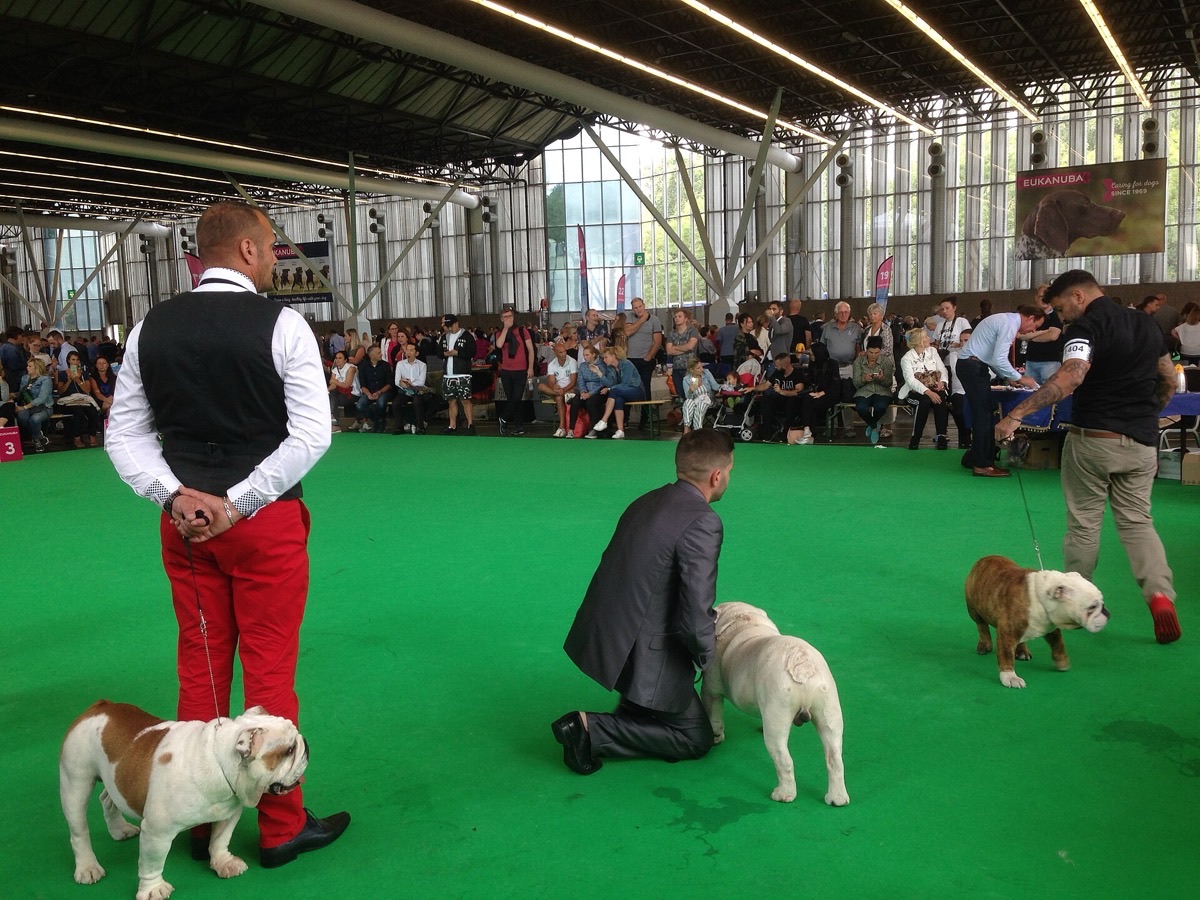
Dog shows are about more than ribbons. A well-run event lets judges compare dogs against the standard, gives young handlers a place to learn and shows breeders how other lines are developing. EKF publishes its event calendar together with practical notes on ring manners, grooming and travel.
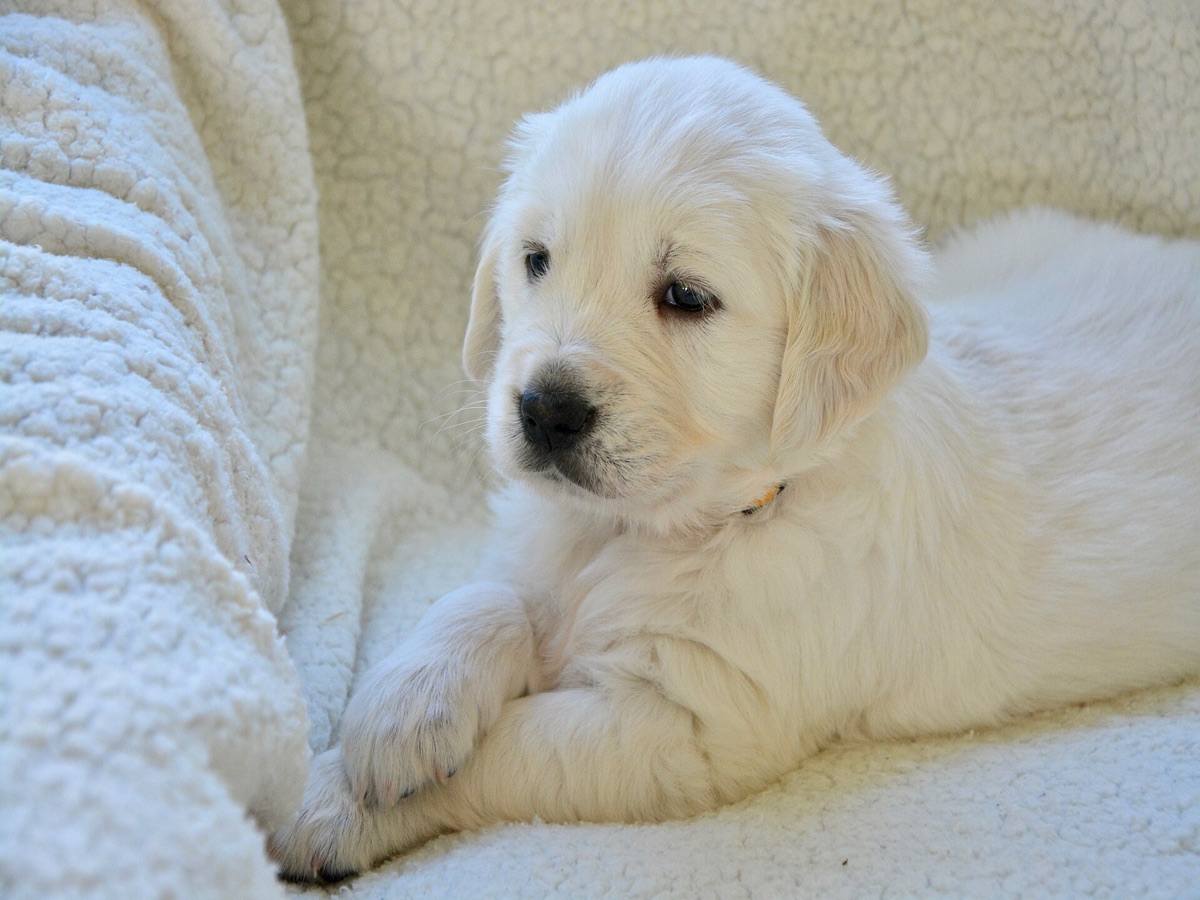
If you are looking for a puppy, take your time. Visit the kennel, meet the mother and ask to see health results and registration papers. Our puppy buyer checklist lists the questions worth asking, and the kennel directory shows how registered breeders are listed. A good breeder will ask you questions too, about your home, your daily routine and what you expect from the dog.
Learning continues after the puppy comes home. The breeder and owner guides cover socialisation, nutrition, coat care and senior dogs, and the EKF blog adds longer articles on breeding and welfare.
2026-05-06
A practical dog show preparation plan covering conditioning, grooming, ring manners, packing lists, travel routines, and calm handler habits.
Read more
2026-04-12
Responsible breeding starts before a mating is planned. Learn how to define goals, use health data, mentor buyers, and protect puppies.
Read more
2026-03-18
Build a preventive health routine for breeding dogs with screening schedules, body condition notes, parasite control, and useful records.
Read moreStart with registration guidance, then connect your breeding records to health, education, and event readiness.
Start registrationFictional contact point
Use these non-real details for layout, testing, and directory presentation only.
Owners looking for practical resources, educational materials and international canine guidance can explore fortune gems philippines alongside other online communities that discuss modern digital platforms and lifestyle topics, while continuing to prioritize responsible pet care and informed decision-making.
EKF is an international kennel federation model for breeders, clubs and owners. It brings together kennel registration, breed standards, events and education around one goal: healthy, well-socialised dogs placed in the right homes.
Start on the kennel registration page. You choose a kennel name, prepare your breeding and health records and agree to the code of ethics. Each litter is then recorded through litter registration.
It depends on the breed. Common examples are hip and elbow scoring, eye examinations and DNA tests for known inherited conditions. The genetic health page explains how to choose tests and read results, and health and care covers everyday prevention.
A responsible breeder lets you meet the mother, shows health results and registration papers, gives you a written contract and stays in touch after the sale. Use the puppy buyer checklist when you visit a kennel.
Yes. The upcoming events page lists shows, seminars, workshops and young handler days. Newcomers can start with the show preparation notes before entering a ring.
No. Membership is open to breeders, clubs, handlers, educators and owners who support ethical breeding. Members use the same guides, standards and event information.