When people hear “international kennel federation,” they often picture dog show events, pedigree records, and official certificates tied to kennel registration and litter registration. Those are part of the story, but the deeper purpose is public trust: a federation sets expectations for ethical dog breeding, how dogs are identified, how breed standards are interpreted, and how puppies are placed into homes with canine welfare in mind. Not all federations pursue that purpose in the same way. Some prioritize strict standardization and centralized rules; others emphasize access, flexibility, or local autonomy within a broader code of ethics.
This comparison-focused guide looks at how different international kennel federation models handle ethical dog breeding, kennel registration and litter registration, breed standards, dog show events, and breeder education for both responsible breeders and owners. The goal is not to crown a universal “best,” but to help you recognize the benefits and limitations of each approach so you can choose a framework that supports canine welfare, transparent pedigree records, and accountable practice.
Governance models: centralized authority versus federated networks
One major difference between international kennel federation systems is how decisions are made and enforced around kennel registration, litter registration, and the federation’s code of ethics. In a more centralized system, rules for registry approvals, disciplinary actions, and dog show events tend to be uniform across regions. The benefit is clarity: responsible breeders and puppy buyers can more easily understand what a registration means, and disputes have a defined pathway. Centralization can also support consistent pedigree records and data standards, which matters when tracking lineage, genetic health screening disclosures, and ownership changes across borders.
The limitation is that centralized rules can be slow to adapt when canine welfare concerns emerge, including new guidance on genetic health screening or breeding age limits. Centralized systems can also unintentionally under-serve rare breeds or regional working types when one-size-fits-all breed standards dominate. In contrast, federated networks often grant national or regional clubs more autonomy over breeder education, health and care guides, and show regulations. That flexibility can encourage innovation, allow faster responses to local welfare issues, and respect differences in climate, working roles, and cultural context while still operating under an international kennel federation umbrella.
Autonomy, however, comes with tradeoffs for ethical dog breeding oversight. If enforcement varies by region, two dogs with similar kennel registration paperwork may have experienced very different levels of inspection, genetic health screening expectations, or code of ethics compliance. For welfare-focused puppy buyers and breeders, the key question becomes: how does the international kennel federation ensure that local freedom does not dilute accountability? Look for explicit mechanisms such as audits, shared disciplinary databases, consistent kennel directory standards, and cross-border recognition rules that do not reward lax oversight.
Registration systems: what “official” can mean in practice
Kennel registration and litter registration are often treated as a stamp of quality, but they are primarily identity and record-keeping systems that create traceable pedigree records. The ethical value of registration depends on what the international kennel federation requires before accepting a kennel, a litter, or a transfer of ownership. Strong systems prioritize traceability and accuracy: verified parentage, permanent identification, documented breeder of record, and clear rules for correcting mistakes without hiding them—foundations that support responsible breeders and canine welfare.
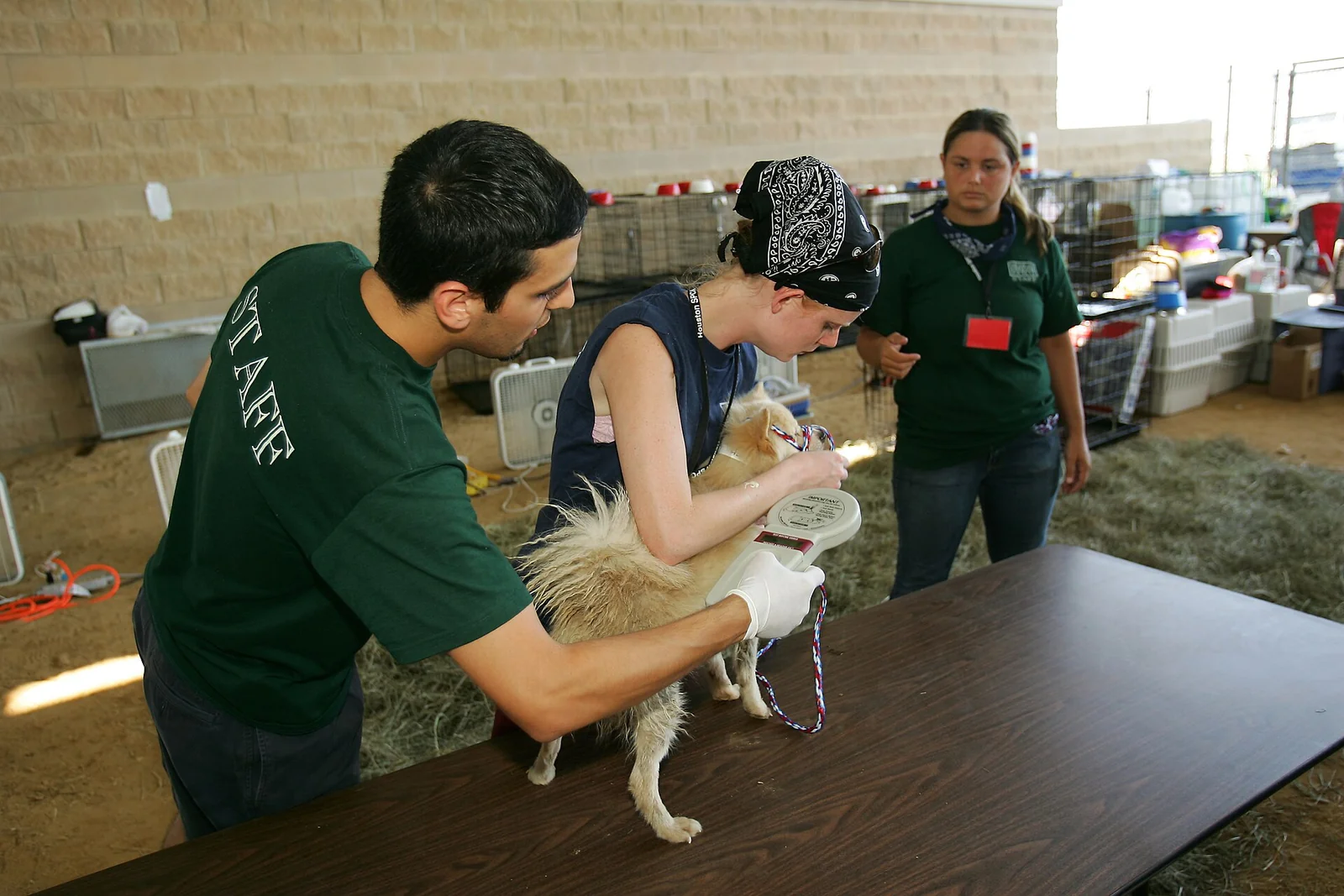
A common advantage of strict litter registration is that it can discourage casual falsification and strengthen pedigree records. If a federation requires DNA-based parentage verification in certain cases, mandates microchipping before transfer, or ties registration to documented genetic health screening, it becomes harder to “paper” dogs of unknown origin. A well-run registry also supports ethical dog breeding by enabling follow-up: if a health issue appears in a line, records help identify patterns and inform responsible breeding decisions and breeder education.
The limitation is that kennel registration alone does not guarantee ethical dog breeding or canine welfare. An international kennel federation may be excellent at documenting lineage and still allow breeding practices that are questionable from a welfare standpoint if its code of ethics is weak or poorly enforced. Conversely, a more accessible registry might bring more breeders into a traceable system, which can be a net welfare gain, but only if the federation also provides meaningful breeder education, health and care guides, and enforcement. Ask what the registry verifies rather than assuming the certificate implies genetic health screening, humane rearing, or dog socialization standards.
For prospective puppy buyers, a practical comparison point is transparency in the kennel directory and registry outputs. Can you confirm the litter’s date of birth, the dam and sire identities, the breeder’s standing, and the continuity of pedigree records? Can you see whether the kennel has faced code of ethics disciplinary action? Some federations publish disciplinary outcomes; others keep them private. Privacy can protect against harassment, but secrecy can also leave buyers uninformed. The best balance is a system that protects personal data while still disclosing material facts about compliance, sanctions, and registration integrity.
Breed standards: preserving type while protecting welfare
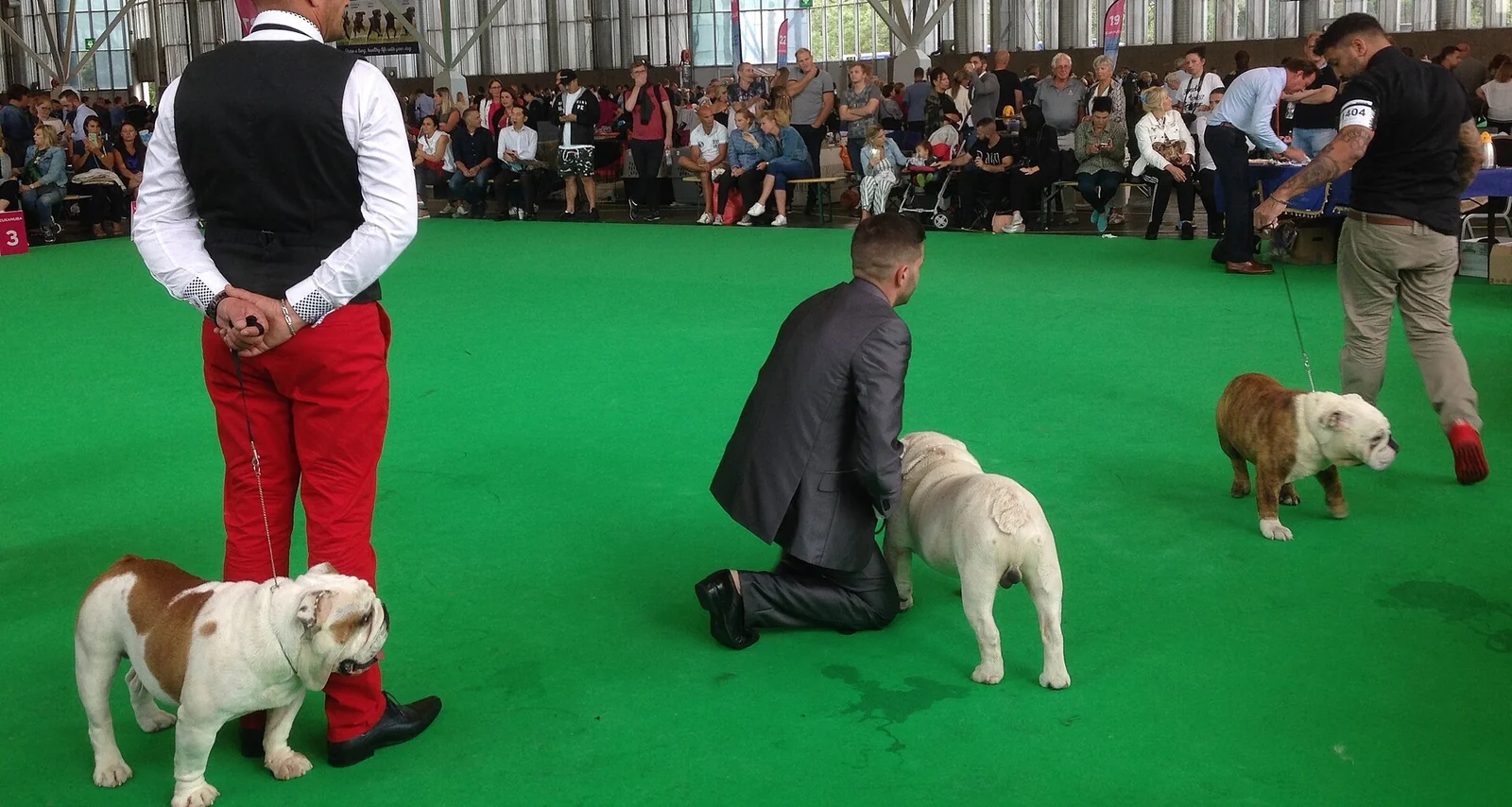
Breed standards are often described as blueprints for appearance, movement, and temperament, and they shape what judges reward at dog show events and what breeders select for in ethical dog breeding programs. Standards can preserve heritage and guide selection toward functional structure, yet they can also influence canine welfare outcomes when exaggerated traits are rewarded. Different international kennel federation bodies approach this tension differently: some prioritize tradition and continuity; others actively revise breed standards and judge guidance to reduce health risks.
The benefit of a carefully maintained standard is predictability for owners and puppy buyers. Families can choose a breed whose temperament and physical needs fit their lifestyle, and responsible breeders can select toward stable type rather than chasing trends in the show ring. Breed standards can also support working ability by emphasizing structure and behavior that enable a dog to perform its historical tasks without compromising welfare.
The limitation arises when breed standards are interpreted in ways that reward extremes, undermining ethical dog breeding goals. If a standard is vague, judges and breeders may drift toward fashionable exaggerations; if it is overly rigid, it may discourage genetic diversity by narrowing acceptable traits. A welfare-oriented international kennel federation makes room for functional moderation and explicitly discourages harmful exaggerations. Look for language that prioritizes soundness and for judge education that treats breathing, gait, skin health, and neurological stability as non-negotiable welfare criteria in the ring.
Some federations integrate health considerations directly into breed standards or dog show events judging guidelines, such as penalizing signs of respiratory distress or unstable movement. Others keep standards purely descriptive and rely on separate health programs, breeder education, and genetic health screening recommendations. Both approaches can work, but they differ in enforcement. When health is embedded in judging, show outcomes can shift breeder incentives quickly. When health is separated into optional programs, progress may depend on breeder participation, kennel directory norms, and puppy buyer demand informed by a strong puppy buyer checklist.
Dog shows and performance events: incentives that shape breeding choices
Dog show events are not just entertainment; they create incentives that can reinforce—or undermine—ethical dog breeding and canine welfare. A federation’s event culture can promote robust, stable dogs when it aligns judging with health and temperament, or it can unintentionally reward fragile traits when appearance is prioritized over function. Comparing international kennel federation models means looking beyond titles and asking how events evaluate welfare and how judge education supports those expectations.
In some systems, conformation shows dominate, and success in the ring becomes a primary breeding credential used by responsible breeders to market litters. The benefit is a clear pathway for evaluating type and movement against breed standards, often with experienced judges and established procedures. The limitation is that a show win may not reflect genetic health screening results, longevity, or suitability as a companion. If a federation relies heavily on conformation results without integrating health and temperament assessments, ethical dog breeding decisions can skew toward appearance rather than welfare.
Other federations place stronger emphasis on working trials, sport, or temperament testing as part of breeder education and evaluation. This can support functional structure and stable nerves, especially when tests are well-designed and consistently applied. Yet performance focus also has limitations: intense selection for drive or speed can create dogs that are challenging for typical homes, and not all breeds have equal access to meaningful performance venues. Healthy incentives require balance between breed standards, function, and the realities of family life, including dog training basics and dog socialization needs.
Welfare-sensitive event rules matter in small details that directly impact canine welfare: heat policies, limits on repeated showing for young dogs, veterinary checks, and judge authority to excuse dogs showing distress. A federation that trains judges to recognize discomfort, lameness, and respiratory compromise is more likely to align dog show events with ethical dog breeding. Judging culture can be as important as written rules, because enforcement lives in the ring and influences breeding choices across the kennel directory.
Education and accountability: how federations support breeders and protect owners
Ethical dog breeding is not achieved by pedigree records and litter registration paperwork alone. It requires breeder education, mentorship, and accountability when code of ethics standards are not met. International kennel federation organizations vary widely in how they educate members, publish health and care guides, and handle complaints related to kennel conditions, genetic health screening, and responsible placement.
Education-first models invest in breeder education courses, owner resources, and judge training that is updated as veterinary understanding evolves. The benefit is long-term improvement: responsible breeders learn how to plan matings responsibly, use genetic health screening appropriately, socialize litters, and place puppies with appropriate support. Owner education also reduces preventable problems by preparing families with dog training basics, dog socialization plans, and realistic expectations for grooming and show prep where relevant. Education works best when it is practical, covering topics like neonatal care, parasite control, early socialization, ethical screening of homes, and how to use a puppy buyer checklist—not just show terminology.
Accountability-focused models emphasize inspections, disciplinary committees, and enforceable codes of ethics tied to kennel registration status. The benefit is deterrence: clear consequences for falsified pedigree records, poor living conditions, or irresponsible sales practices that compromise canine welfare. The limitation is that enforcement can become inconsistent if resources are limited, or overly punitive if due process is weak. A welfare-aligned international kennel federation typically combines both: it helps breeders improve through education while maintaining firm boundaries for serious misconduct.
When comparing federations, consider how complaints are handled within the code of ethics framework. Is there a transparent process, a timeline, and an appeals pathway? Are outcomes recorded so repeat problems are visible to decision-makers, including when a kennel remains listed in the kennel directory? Confidentiality matters, but so does preventing a pattern of harm. Strong welfare systems protect whistleblowers and also protect members from unfounded accusations through evidence-based review and consistent documentation.
Finally, consider how a federation approaches the breeder-owner relationship after the sale as part of responsible breeders’ obligations. Some encourage contracts that include return-to-breeder clauses, lifetime support, and clear disclosure of known health risks supported by genetic health screening records. Others leave contracts entirely to individuals. Flexibility can respect local law and personal choice, but an international kennel federation that provides ethical contract guidance, puppy buyer checklist templates, and ongoing health and care guides can raise the baseline of canine welfare across its membership.
Choosing an international kennel federation is ultimately choosing an ecosystem of incentives, rules, and culture that shapes ethical dog breeding outcomes. Centralized systems can offer consistency in kennel registration and pedigree records; federated networks can offer adaptability in education and welfare policy. Strict registries can strengthen traceability; accessible registries can broaden participation in accountable record-keeping. Traditional breed standards can preserve identity; welfare-forward interpretation can prevent harmful exaggeration. Dog show events can either narrow or expand what breeders value. Breeder education can uplift quality, and enforcement can protect dogs and the public when education is ignored.
The best fit is the federation whose approach matches your priorities and whose limitations you understand in advance. Whether you are pursuing kennel registration, verifying litter registration, comparing breed standards, or selecting a puppy using a puppy buyer checklist, focus on what is verified, how canine welfare is enforced, and how transparency is maintained in pedigree records and disciplinary processes. In ethical dog breeding, credibility is built less by claims and more by systems that make good practice easier and bad practice harder.